
कैसे स्वचालित ट्रेडिंग वित्तीय बाजारों में क्रांति ला रही है
Crypto Market Safety and Ethics
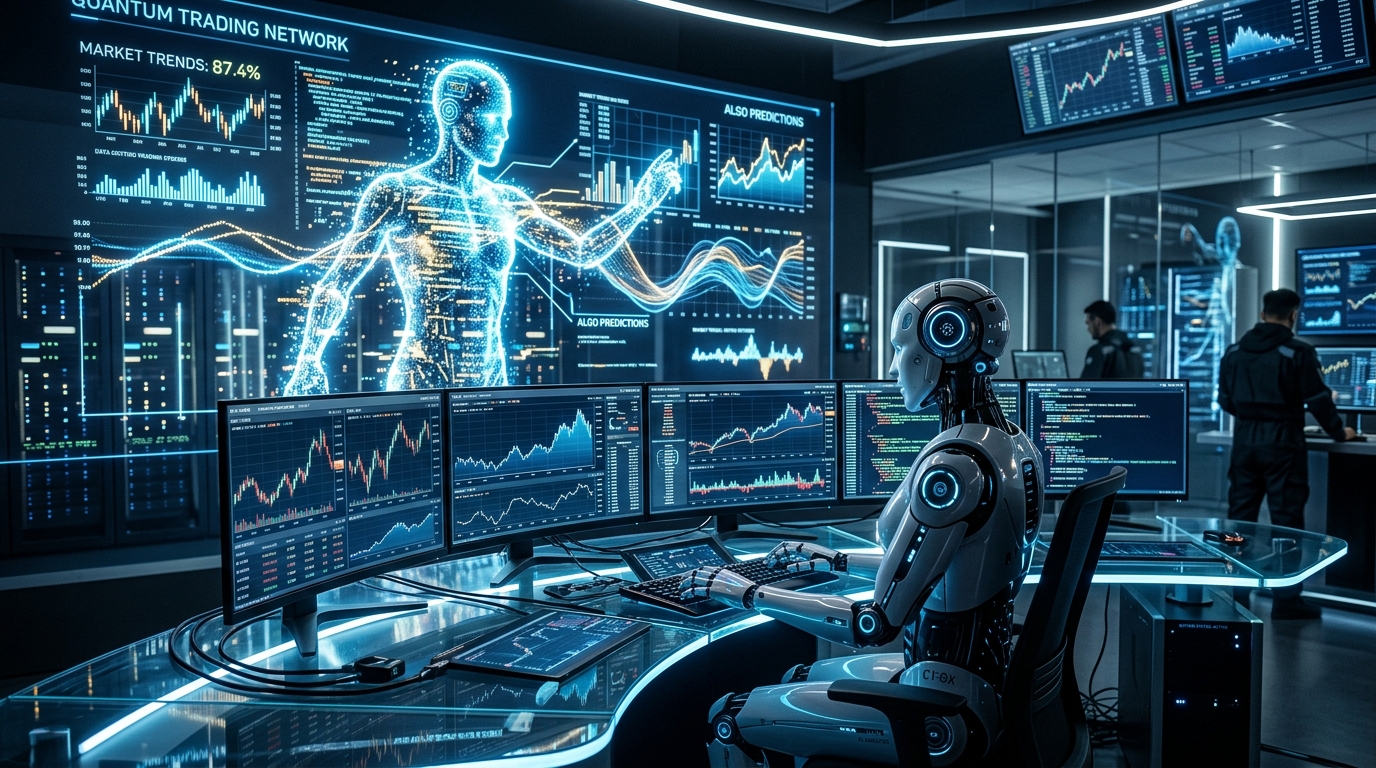
वित्तीय बाजारों में स्वचालन व्यापार करने के तरीके को नाटकीय रूप से बदल रहा है। एल्गोरिदमिक ट्रेडिंग से लेकर जटिल मशीन-लर्निंग मॉडल के विकास तक, स्वचालित व्यापार प्रणाली संस्थागत और खुदरा व्यापारियों के लिए अनिवार्य बन गई हैं। इस लेख में, हम यह जानेंगे कि स्वचालित व्यापार कैसे वित्तीय बाजारों को बदल रहा है, इसकी प्रमुख तकनीकें, रणनीतियाँ, लाभ, चुनौतियाँ, और इस क्रांति के चारों ओर नैतिक विचार क्या हैं।
स्वचालित व्यापार का परिचय
स्वचालित व्यापार का तात्पर्य कंप्यूटर सिस्टम के उपयोग से है जो पूर्व-प्रोग्राम किए गए एल्गोरिदम के आधार पर मानव हस्तक्षेप के बिना व्यापार निष्पादित करते हैं। ये सिस्टम वास्तविक समय में बाजार डेटा का विश्लेषण करते हैं और ऐसी गति और सटीकता से निर्णय लेते हैं जो मानव व्यापारियों के लिए संभव नहीं है। स्वचालित व्यापार का इतिहास 1970 के दशक के अंत में सरल नियम-आधारित प्रणालियों से शुरू हुआ, जो अब कृत्रिम बुद्धिमत्ता (एआई) और मशीन लर्निंग को शामिल करते हुए जटिल प्लेटफार्मों में विकसित हो चुका है।
स्वचालित व्यापार में प्रौद्योगिकी की भूमिका
In the realm of automated trading, technological advancements serve as the foundation for its evolution. The integration of artificial intelligence and machine learning empowers trading systems to learn and enhance their performance over time, discerning market patterns and refining strategies. High-frequency trading (HFT) has transformed the landscape by executing numerous trades in seconds, capitalizing on minute price variations. The advent of cloud technology, extensive data analytics, and enhanced network capabilities has granted traders the ability to implement these sophisticated algorithms worldwide, engaging with financial markets around the clock with minimal delays.
Understanding the Mechanism of Automated Trading Systems
Automated trading systems are constructed using algorithms—comprehensive sets of guidelines and commands developed in various programming languages. These systems can range from straightforward rule-based approaches, such as initiating a purchase when a stock hits a specific threshold, to intricate AI-driven models that analyze historical data to forecast future price trends.
Categories of automated trading systems include:
- Rule-Based Trading Systems: Execute trades according to defined, specific criteria.
- AI-Driven Solutions: Evolve and refine strategies continuously by processing extensive datasets, enhancing trading precision.
- Integrated Trading Systems: Merge traditional tactics with advanced machine learning techniques for superior trading outcomes.
- blog_three_question_4.subtitle_4: blog_three_question_4.desc_4
Varieties of Automated Trading Approaches
Each approach is built on advanced algorithms, necessitating meticulous calibration and vigilant risk oversight.
Automated trading employs various strategies tailored to market dynamics and investment objectives. Key methods include:
- Arbitrage Techniques: These take advantage of discrepancies in asset prices across different exchanges.
- Momentum Trading Strategies: This approach capitalizes on prevailing market trends, purchasing assets during upward shifts and divesting during declines.
- Reversion to Mean Strategies: Leverage the expectation that asset prices will return to their average levels following marked fluctuations.
- Strategies for Market Making: Gain from the difference between buying and selling prices by executing simultaneous orders.
Advantages of Automated Trading Systems
In the ever-evolving landscape of digital finance, crypto trading emerges as a beacon of opportunity for Indian investors. With platforms like Thrive Guardford, traders can navigate this dynamic market with ease and confidence. Imagine waking up each day to real-time updates on your investments, armed with data-driven insights that empower you to make informed decisions. The beauty of crypto trading lies in its accessibility; anyone with an internet connection can participate. Whether you're a seasoned trader or just starting, Thrive Guardford provides educational resources tailored to the Indian market, ensuring you grasp the nuances of blockchain technology and cryptocurrency trends. Moreover, the potential for high returns is alluring. Cryptocurrencies have shown remarkable growth, and with strategic trading, you can capitalize on price fluctuations. Picture yourself engaging in peer-to-peer transactions, enjoying lower fees compared to traditional banking, and experiencing the thrill of instant trades. As you delve deeper into this world, the community aspect becomes evident. Join forums and discussions where fellow traders share insights, strategies, and success stories, fostering a sense of camaraderie. With Thrive Guardford, you’re not just trading; you’re becoming part of a movement that’s reshaping the financial landscape in India.
Automated trading provides numerous benefits compared to traditional methods. Notable advantages include:
- गति और दक्षता: कंप्यूटर व्यापार को मानवों की तुलना में तेजी से निष्पादित कर सकते हैं, अवसरों का लाभ उठाते हुए जो जल्दी गायब हो सकते हैं।
- मानव त्रुटियों में कमी: स्वचालित प्रणाली भावनात्मक निर्णय लेने और संज्ञानात्मक पूर्वाग्रहों को समाप्त करती है, जिससे अधिक स्थिर परिणाम मिलते हैं।
- 24/7 बाजार पहुंच: ये प्रणालियाँ निरंतर कार्य कर सकती हैं, यह सुनिश्चित करते हुए कि व्यापारी कभी भी बाजार के अवसर को न चूकें।
- पुनः परीक्षण और अनुकूलन: व्यापारी अपनी रणनीतियों को लागू करने से पहले ऐतिहासिक डेटा का उपयोग करके उनका परीक्षण कर सकते हैं, प्रदर्शन को अनुकूलित करते हुए जोखिम को कम कर सकते हैं।
स्वचालित व्यापार के जोखिम और चुनौतियाँ
In the ever-evolving landscape of cryptocurrency, traders in India are finding their footing with platforms like Thrive Guardford. Imagine a bustling marketplace where each transaction is not just a trade but a step towards financial independence. With real-time analytics and advanced trading tools, users can make informed decisions that align with market trends. Consider Priya, a young investor from Bangalore, who began her crypto journey with minimal knowledge. Through the intuitive interface of Thrive Guardford, she learned to analyze market signals and execute trades effortlessly. The platform's educational resources empowered her to grasp complex concepts, transforming her into a confident trader. The benefits extend beyond individual success stories. As more Indians embrace crypto trading, the community thrives on shared knowledge and experiences. With Thrive Guardford, traders gain access to a vibrant ecosystem, fostering collaboration and innovation. This is not just about profits; it’s about building a future where financial literacy and technology converge, enabling everyone to participate in the digital economy. Join the movement today and discover how Thrive Guardford can be your partner in navigating the world of cryptocurrency, unlocking potential opportunities that await in this dynamic market.
हालांकि स्वचालित व्यापार कई लाभ प्रदान करता है, लेकिन इसके साथ कुछ जोखिम भी जुड़े हैं। प्रमुख चुनौतियाँ शामिल हैं:
- बाजार की अस्थिरता के जोखिम: Automated trading systems can amplify market instability, particularly during unforeseen events where swift, large-scale selling may lead to chaos.
- Market Meltdowns: In 2010, a sudden algorithm-driven incident caused an abrupt downturn, erasing billions in mere moments.
- System Glitches: Technical malfunctions, interruptions, or programming errors can lead to considerable financial repercussions.
- blog_three_question_7.subtitle_4: blog_three_question_7.desc_4
Effects of Automated Trading on Global Financial Landscapes
स्वचालित व्यापार ने बाजार की तरलता और दक्षता में महत्वपूर्ण वृद्धि की है। यह तेजी से और अधिक बार व्यापार करने की अनुमति देकर विभिन्न संपत्ति वर्गों में तरलता को बेहतर बनाता है। हालांकि, मानव व्यापारियों की भूमिका कम होती जा रही है, क्योंकि मशीनें उन कार्यों को संभाल रही हैं जो पहले मैन्युअल रूप से किए जाते थे, जिससे वित्त क्षेत्र में नौकरी का बाजार बदल रहा है।
विभिन्न संपत्ति वर्गों में स्वचालित व्यापार
स्वचालित व्यापार प्रणाली बहुपरकारी हैं और विभिन्न बाजारों में कार्य करती हैं, जिसमें शामिल हैं:
- शेयर: शेयर व्यापार एल्गोरिदम सबसे विकसित में से एक हैं, जिन्हें हेज फंड और व्यक्तिगत व्यापारी दोनों द्वारा उपयोग किया जाता है।
- विदेशी मुद्रा: Automated trading systems have revolutionized the cryptocurrency landscape, swiftly adapting to market shifts and news updates.
- Commodities: From precious metals to energy resources, the commodities sector thrives on automated strategies that capitalize on market trends and price disparities.
- Cryptocurrencies: The dynamic and round-the-clock nature of crypto markets makes them ideal for automated trading tools, enabling quick reactions to price fluctuations.
Navigating Regulatory Hurdles
The governance of automated trading is essential for maintaining market equilibrium. Regulatory authorities in India, such as SEBI, are tasked with establishing guidelines to mitigate risks and enhance transparency. The rapid evolution of AI technologies presents a significant hurdle for these regulators as they strive to adapt. Moreover, ethical dilemmas emerge, particularly regarding the potential for algorithm-driven market manipulation.
How Institutional Investors Utilize Automated Trading
Institutional investors, including mutual funds and proprietary trading houses, significantly depend on automated trading solutions to secure competitive advantages. Quantitative analysts, affectionately known as 'quants,' create advanced algorithms that harness vast datasets, artificial intelligence, and machine learning techniques to surpass conventional trading strategies. Notably, several successful investment firms attribute their achievements to the prowess of automated trading systems.
Automated Trading Opportunities for Retail Investors
Recent technological breakthroughs have made automated trading accessible to retail investors in India. Platforms such as Zerodha and Upstox provide straightforward entry points for utilizing trading bots, while social trading networks empower users to replicate the tactics of proficient traders. Additionally, retail investors have the option to either buy or design personalized trading bots to streamline their trading approaches.
Envisioning the Future of Automated Trading
As artificial intelligence and machine learning advance, the complexity of automated trading systems will also increase. The emergence of quantum computing, still in its early stages, presents a transformative opportunity for trading by enabling the rapid analysis of vast datasets. In the coming decade, we anticipate that automation will further infiltrate financial markets, significantly diminishing the reliance on human traders.
Ethical Implications of Automated Trading Practices
Transparency is vital to ensure that automated trading remains fair and accessible to all participants. It is essential that algorithms are crafted to prevent market manipulation while promoting equal access to trading opportunities. Striking a balance between the advantages of automation and the necessity for ethical practices in the market poses a persistent challenge for regulators and traders alike.
Insights from Automated Trading Case Studies
- The 2010 Flash Crash: This incident underscored the inherent risks associated with automated trading systems, as algorithms executed substantial sell orders, leading to a rapid market decline within minutes.
- Success Narratives: Investment firms such as Zerodha and Upstox have harnessed the power of automation to consistently surpass market averages, establishing new standards in the financial domain.
Common Inquiries (FAQs)
- 1. What is algorithmic trading? Algorithmic trading involves utilizing computer algorithms to carry out trades automatically, minimizing the need for human oversight.
- 2. What distinguishes high-frequency trading from traditional trading? High-frequency trading is the practice of executing numerous trades in fractions of a second, leveraging minute price fluctuations for profit.
- 3. Is automated trading completely devoid of risks? No, while automated trading minimizes human errors, it remains susceptible to risks like technical glitches and unpredictable market shifts.
- 4. Can individual investors participate in automated trading? Absolutely, many platforms are available that empower individual investors to design or utilize automated trading techniques.
- 5. How do authorities oversee automated trading activities? Regulatory authorities employ a range of oversight mechanisms, such as continuous monitoring systems and established compliance frameworks.
- 6. Which technologies are essential for automated trading systems? Vital technologies encompass artificial intelligence, machine learning algorithms, cloud infrastructure, and high-speed connectivity.
Conclusion: The Transforming Dynamics of Financial Markets through Automation
Automated trading is reshaping financial markets, enhancing efficiency, expediting trade execution, and enabling advanced strategies. As AI, machine learning, and quantum technologies progress, the future of automated trading will hinge on its capacity to innovate while ensuring market integrity.